


Oh no, The New York Times has discovered your hidden-gem restaurant. Out-of-towners are forming lines, reservations are impossible, and the $18 entrée costs $34.
Have you been “displaced” from the restaurant?
You have lost something real: a bargain. What you have not obviously acquired, merely by enjoying that bargain for years, is an exclusive or ownership claim on it.
Housing makes this confusion much easier. A longtime tenant really does build a life around a place: friends, schools, errands, commutes, routines. Leaving can be costly and miserable. But possible misery does not create a special right in perpetuity.
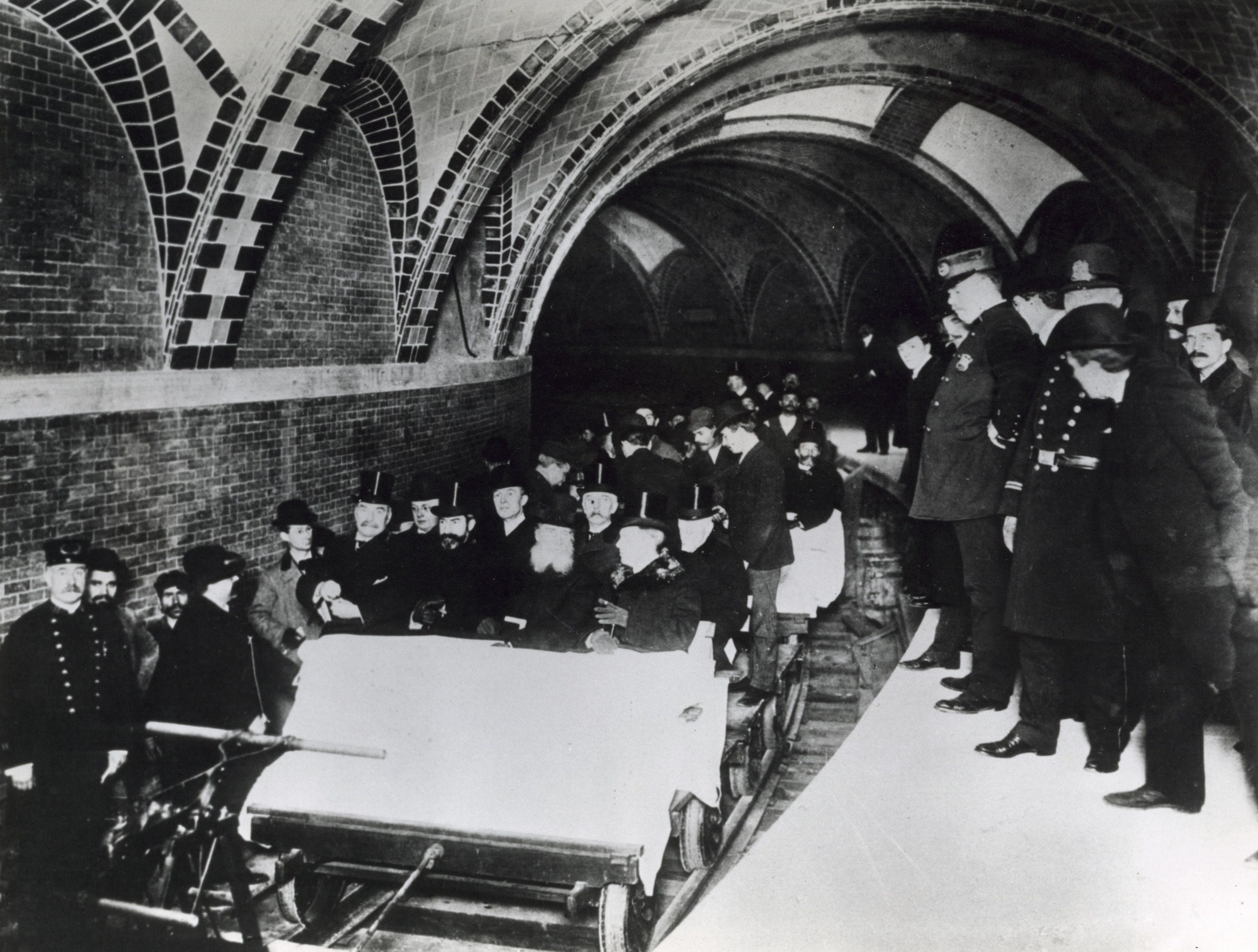
Suppose the city builds a subway station three blocks from your apartment, cutting your commute in half. Your landlord has not improved the kitchen or added a bedroom, but the thing you are renting has plainly become more valuable. If more people want that improved bundle, its price may rise.
Here is where anti-displacement politics gets aggressive. Years of residence start functioning like a shadow property right. The tenant does not own the building or the neighborhood, but somehow she gets a claim on whatever the neighborhood becomes:
better trains
safer streets
better businesses
more jobs
…all at something like yesterday’s price!
She may really be displaced. She may hate it. But neither fact tells us that she was entitled to stay on the old terms. That is the extra claim: I was here first, so strangers who want this place now have a weaker right to it than I do.