


Penn Station, the main intercity railroad station in New York City, has long been known for its crowding and unpleasant dysfunction. Photos of the original station, opened in 1910, show grand Beaux-Arts architecture, its waiting-room ceiling soaring 148 feet high, giving the Roman Baths of Caracalla.
The conventional moral education follows: “thankfully,” as Curbed puts it, the demolition helped galvanize support for New York’s landmarks law. An enlightened public gave government authority over alterations, demolition, and construction on designated properties.
No longer would greedy developers sacrifice beautiful buildings to profitable uses.
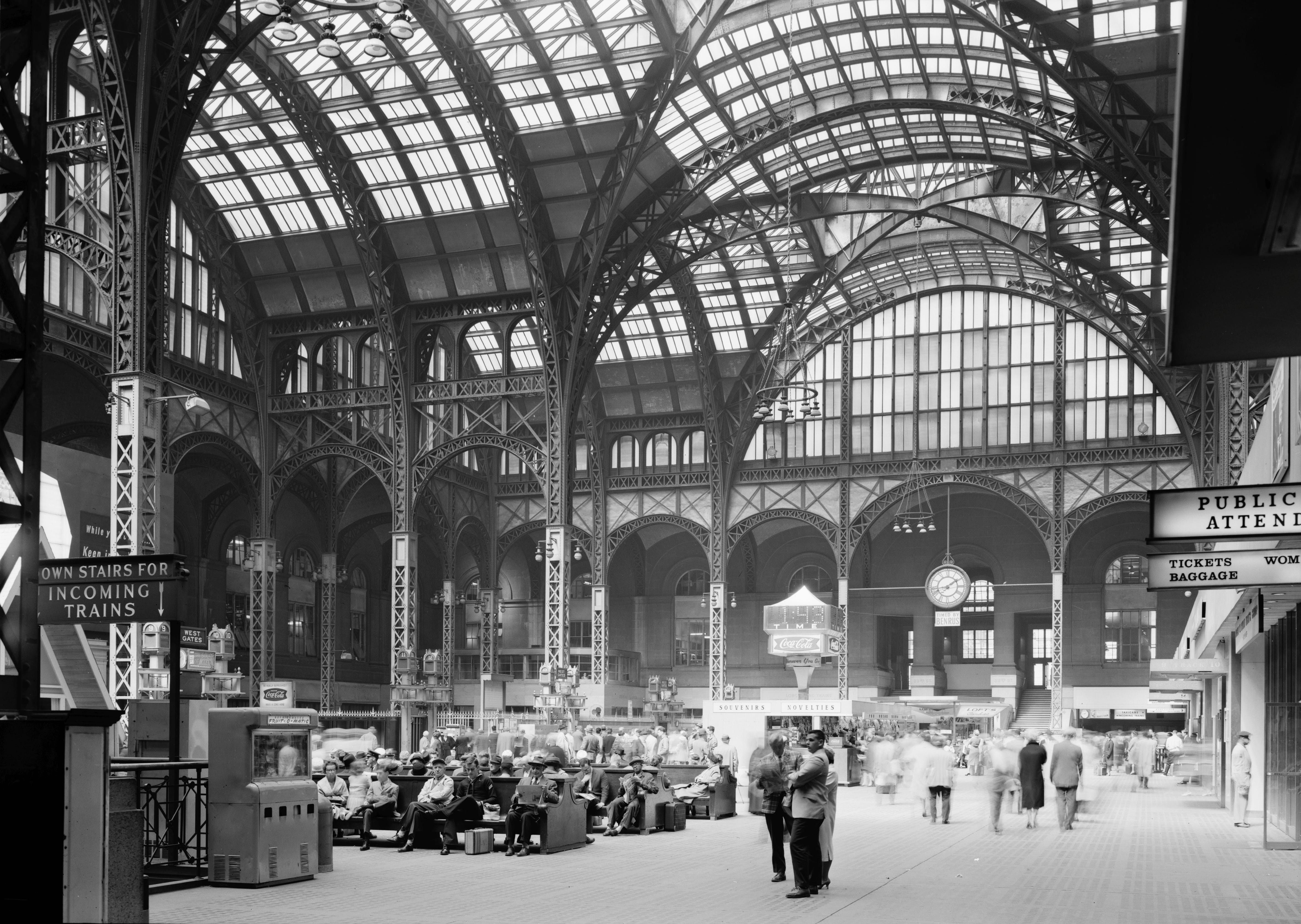
Preservationists may want to look at a building badly enough to stop its demolition, but not badly enough to buy it. Landmark restrictions let them make selected owners pay for a public benefit. The owner pays the bills while “the public” gets a veto.
In “Why I Am Not a Conservative,” Hayek distinguishes valuing an end from being entitled to force others to serve it. He also observes that conservatives’ admiration for spontaneous growth tends to stop at the past. We are now living in tomorrow’s past! A neighborhood accumulates through ambition, imitation, commerce, and replacement.
Buildings house families, carry passengers, and give people somewhere to work. Historical significance and beauty give us reasons to value a building. But landmark laws reduce occupants and operators to supporting characters in a public exhibition.