


By the “15-minute city” measure, the desirability gap between the outer boroughs and northern-Brooklyn-cum-Manhattan should be smaller than housing markets show. By Google Maps time, grocery stores, clinics, and other amenities are close in both.
But farther out along the commuter lines, walking increasingly means dodging the moats of fortified castles rather than moving freely through open, inviting space. A grid of detached houses offers only one message to the stranger: keep it pushing!
Mixed-use streets offer friendly and whimsy. You can enter a café without invitation, browse a bookstore without buying, wait inside a hotel lobby, get a haircut, watch who comes and goes, or simply change your mind because something caught your eye.
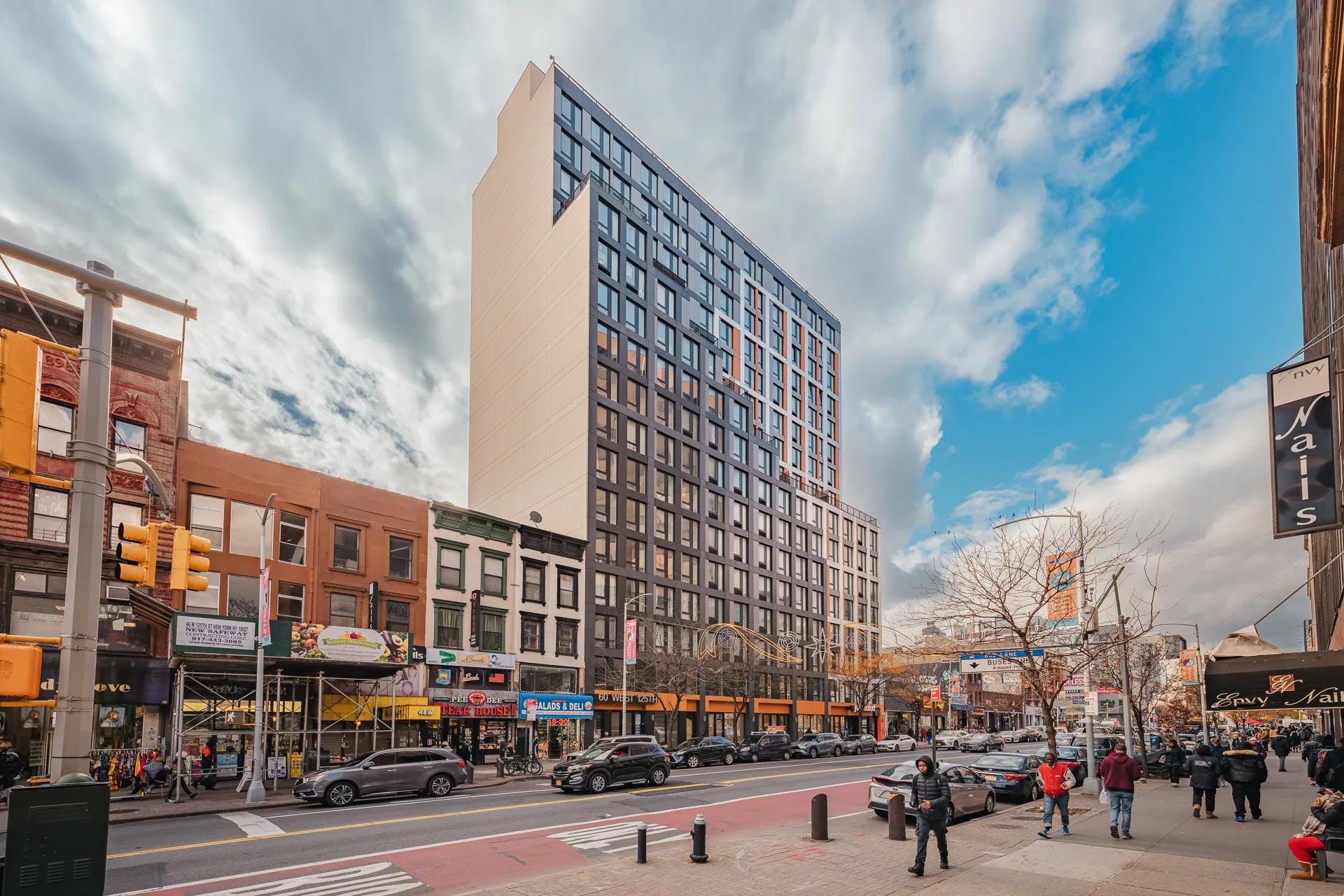
Storefronts create affordances: opportunities for action. A window affords looking; a sign affords learning what is nearby. This, by the way, is why great metropolises offer services in multiple languages. A fun city knows how to talk to foreign tourists too.
The suburbanite retorts: how often do you actually visit those 10 restaurants you pass on your way to work? What the mixed-use block preserves is option value. You may duck out of the rain or buy something forgotten. It is the freedom to be like water.
Maybe this is the deeper luxury of urban abundance. Forget the pharmacy on your way to doggy day-care, and the city gives you another chance before you have to turn back. Fifteen minutes or not, the city lets you be less competent at predicting your own life.