


In such an international city as New York, famous for a poem that goes: “Give me your tired, your poor, Your […] wretched refuse of your teeming shore,” it is nonetheless common for longtime residents to denounce the presence of newcomers and reserve claims on neighborhoods for specific groups based on ancestral tenure.
A public short-form video from an entrepreneur—recently selected for an accelerator run by a major national beauty retailer—shows how casually this sentiment can be expressed, even in a progressive milieu.
The founder recounts commiserating with a friend over being “psychologically tormented” by the presence of nonblack people in a yoga class in Bedford-Stuyvesant, where her family has lived for nearly three generations.
She adds the caveat that her disapproval was not personal: “it’s not about the people” specifically in the class. Then: “So many of those people in that class can go back to their childhood neighborhoods, and it’s probably gonna look exactly the same, versus them coming into my neighborhood and completely changing the demographic.”
This was not a complaint about conduct, but about who was in the room—literally. Each person can be “lovely” while the combined presence remains terrible. A quick racial census of the room became a story of community mourning and loss.
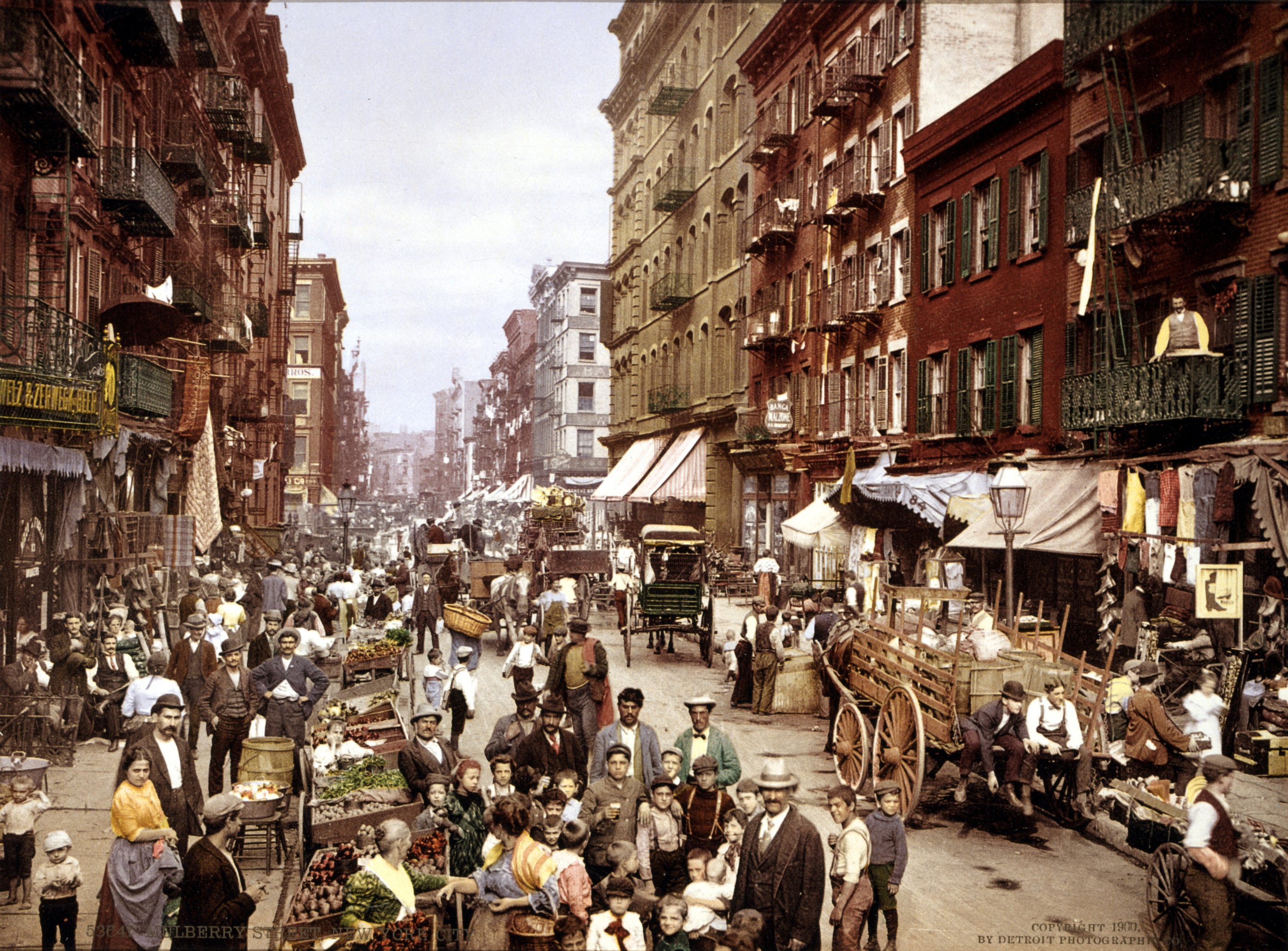
A city of strangers requires us to live among people we did not personally invite and whose biographies we cannot know in advance. They need not produce evidence that their families arrived first, prove that their own neighborhoods changed first, or justify why there are so many of them. The stranger just wants to get into child’s pose.