


After Zohran Mamdani won the Democratic mayoral primary in June 2025, NYC’s old guard scrambled to strategize. To head off challenges by DSA upstarts, the incumbents, led by Hakeem Jeffries—likely the next House Speaker after 2026—labeled challengers like Chi Ossé in his (and my) district as “Team Gentrification.”
To review some of Team Gentrification’s policies: Ossé celebrated the planned construction of a protected bike lane on Bedford Avenue, supported the City of Yes residential rezoning expeditions, and joined Keith Powers and Erik Bottcher in advocating to remove land use restrictions on nightlife venues that offer dancing.
Jeffries and state Attorney General Letitia “Tish” James have been coordinating since he entered the Assembly in 2006. She had helped defend his opponent, Roger Green, during Jeffries’ 2000 run: “My job was to protect incumbents.” Now in 2026, she warns Jeffries’s prospective DSA challengers that they would have to get past her.
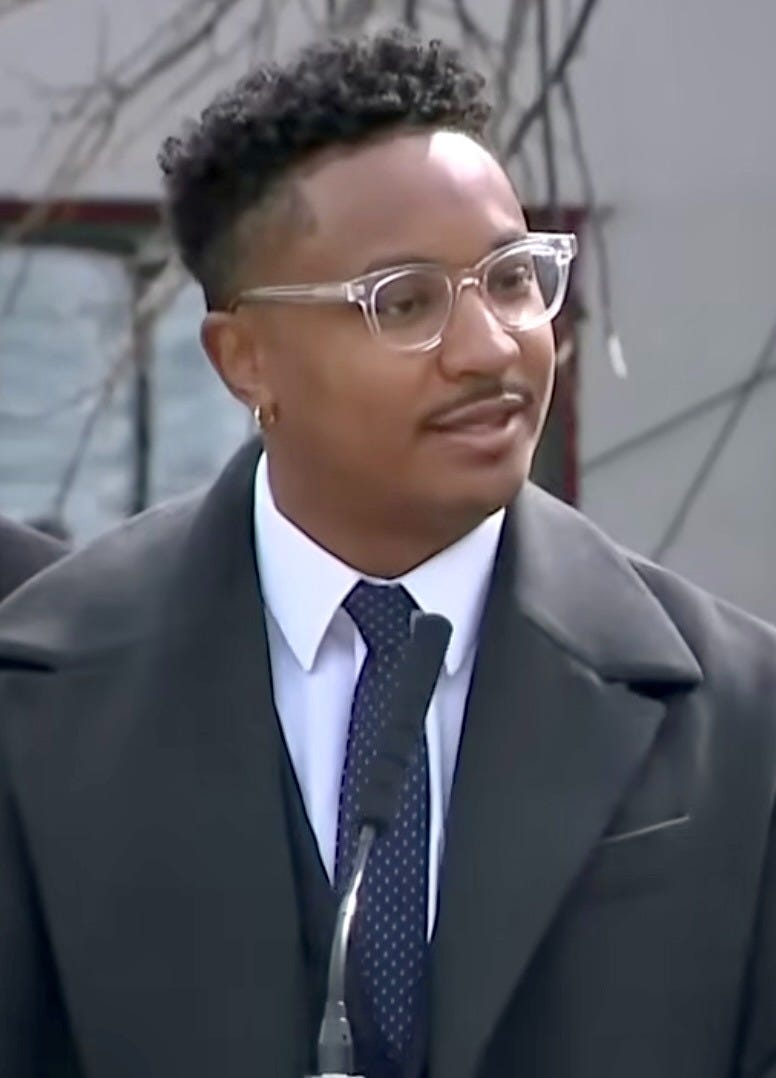

But Jeffries also got help from the socialist who had just won City Hall. At a November 2025 DSA endorsement forum, Mamdani personally urged members not to back Ossé. Even NYC-DSA’s two co-chairs took opposite sides on endorsing the primary campaign challenge to Jeffries’ seat in the federal House of Representatives.
Mamdani’s allies wanted DSA to concentrate on state legislative races, since his proposed city income-tax increase required Albany’s approval. But in December, Mamdani endorsed Brad Lander’s primary challenge to Rep. Dan Goldman. The two had cross-endorsed each other for mayor; Mamdani called Lander a “trusted ally.”
Jeffries brags of being the first elected official to endorse Lander for City Council in 2009. Ideology does not explain the pattern of endorsements here. An incumbent’s accumulated relationships give other politicians reasons to defend him. You may be running for one person’s seat while interfering with several people’s plans.