


Mercifully, the civics class I’m taking starts at 6:30pm, but office hours are Friday mornings. I knew other people worked different hours. In New York, things I wanted to participate in kept appearing inside the block of time I had already given to work.
If I had to take a child to school, my unavailability would need no further defense. In the working world I know, some commitments justify rearranging the day; others must fit into whatever time remains. Reliability earns trust. Keep your commitments, anticipate problems, give other people confidence that they can plan around you.
In my classroom in East Williamsburg, the mantra is “You Can Just Do Things.” This ethic of agency asks: how much of your predictable presence in a virtual office is reliability, and how much is cowardice or conformity? There are, after all, only 24 hours in a day.
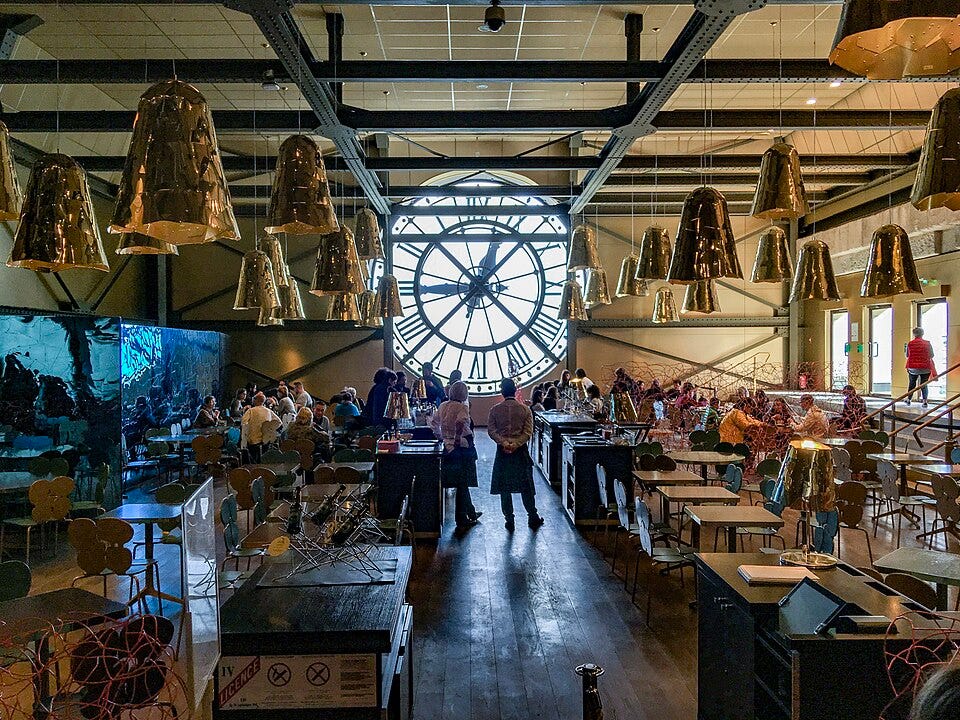

Clock time papers over these conflicts. People with conflicting ideas of a good life can still meet at 6:30pm. A discrete meeting requires only a time and a reason to cooperate. But a scheduling conflict brings those differences roaring back.
“Can we move the meeting?”
“Why?”
Because I have work. Perhaps I lack the spiritual mettle to author my own life. Perhaps I must learn to step into uncertainty without asking payroll for permission to exist. Perhaps I remain preoccupied with day-to-day problems of insufficient import for the future of human civilization. In the meantime, can we do six-thirty?