


Gotham Knights offers prospective rugby players instruction from coaches and veterans, followed by food and drinks after practice. No experience necessary. The club’s recruitment page gives a stranger something to bring, somewhere to go, and a way to begin. He can start learning the game before he has friends on the team.
For the club, instruction is an investment in future company. It takes a certain kind of bravery and unbrittle ego to arrive in a place—with professional qualifications and money perhaps, but—not knowing anyone, to risk your time and health on rugby.
A more hypoallergenic version of the same tendency can be found in birdwatching clubs. On the pitch, the dynamic nature of each match gives an accomplished player something to teach the accomplished professional. During a birding lesson, the person who can explain migratory patterns gets the attention. A shared activity supplies grounds for taking someone seriously before learning where he grew up.
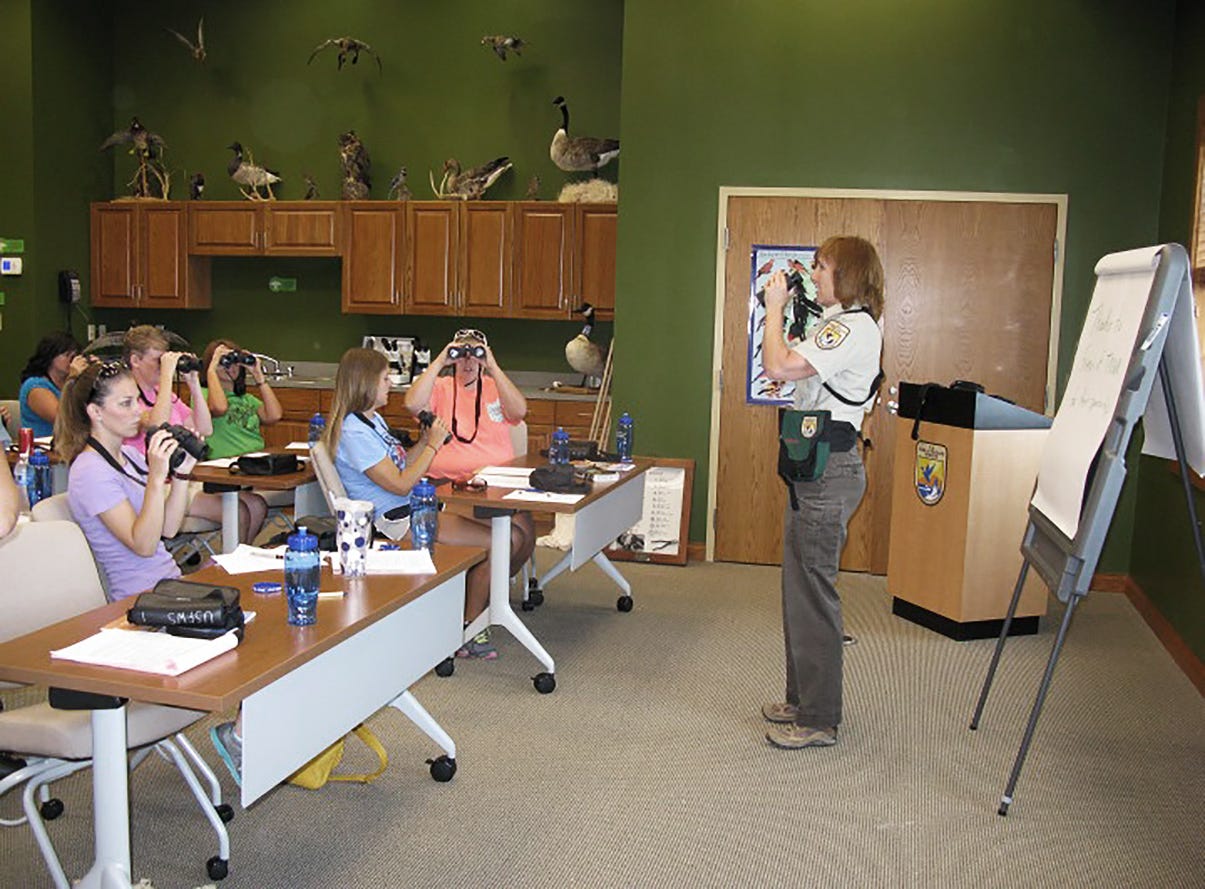
The birdwatcher or flanker’s genuine skill can reduce what he demands from everyone around him. Compared to the local “big dog” with a fierce reputation to protect, the traveling sportsman has less need to make each encounter confirm his importance.
A teacher can afford independence in his pupils. Unlike a gang leader’s loyal foot soldiers, they need not confuse serving their teacher with improving their own position—in the birdwatching club, both gain as the learner grows stronger. The teacher spends less of the afternoon explaining the equipment and more of it looking for birds. He gets company he could not have had while hoarding the advantage.
Personal sponsorship can leave a newcomer owing his place to whoever admitted him. Learning the activity gives him other people to be useful to, and eventually beginners of his own to teach. The beauty of the birding model of associational life is that someone free to go elsewhere repeatedly makes an association worth staying for.