


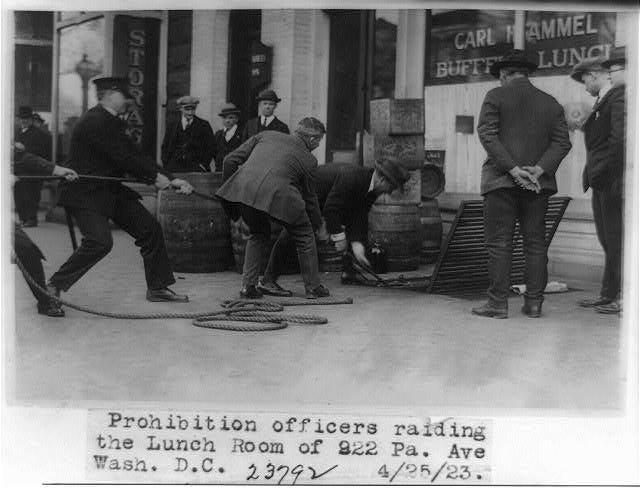
Alcohol prohibition in the United States started and ended with two Constitutional amendments: the 18th, ratified in 1919, until the 21st, which repealed it in 1933. In Library of Congress teaching material, it is remembered as a “noble experiment.”
If Prohibition is compressed to “America tried banning booze, and it didn’t work” for practical reasons of bootlegging, then everyone in 2026 gets to agree with the lesson. But today, people still want things that are “bad for them,” and it’s not just alcohol.
It’s every controversy when a company releases some new gizmo. “Who asked for this?” Well, nobody needs a strawberry vape, FanDuel parlay, Twitter at 1:30 a.m., fluorescent Dorito, or an AI boyfriend, but maybe I want to indulge in all of these.
Suppose I spent some time with an “addictive” activity that was “designed” by predators to exploit me, like watching an Instagram reel. If I feel satisfied, the prohibitionist would call it false consciousness. If I regret it, now that’s a revelation.
There are people who will lose the rent money at a casino and people who will put twenty dollars on a basketball game and then go to bed. A ban is easier to defend if we call gambling addictive instead of asking why only some gamblers become addicts.
A central achievement of liberal modernity was to recognize differences of appetite and lifestyle without turning them into ballot questions. Prohibition turns my strawberry vape back into a matter for lawmakers, regulators, and eventually police.