


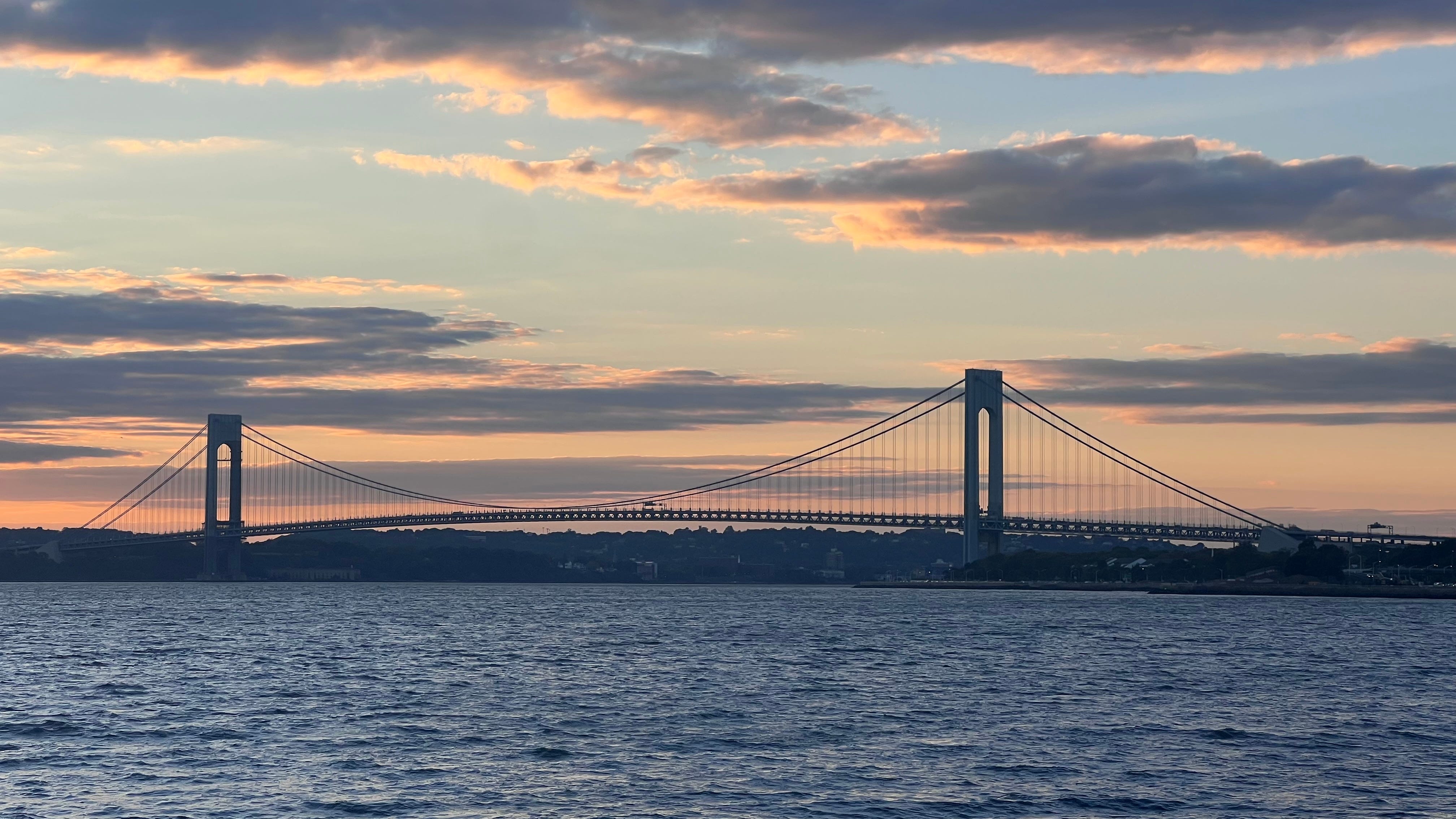
The Metropolitan Transportation Authority’s business includes seven bridges and two tunnels, along with the subways, buses and commuter railroads. Some train cars have labels for “New York City Transit,” which names an older and narrower authority. NYC Transit covers unprofitable mass transit, not infrastructure for private cars.
The MTA began as the Metropolitan Commuter Transportation Authority. In 1968, it dropped “Commuter” from its name and absorbed control of NYC Transit and the Triborough Bridge and Tunnel Authority. Governor Nelson Rockefeller sought access to Triborough’s toll surplus to help cover transit deficits.
Bringing the authorities together shifted decisions about that money from Robert Moses’s bridge-and-tunnel organization to the MTA. For 2024, the bridges-and-tunnels operation approved a transfer of $1.423 billion in operating surplus to the MTA and New York City Transit.
The MTA is a public benefit corporation, with a board and management separate from the ordinary departments of state government. Theoretically, the public-authority model delivers more professional management, the ability to finance investment by borrowing against future revenues, and greater freedom to plan projects beyond election cycles. An authority that covers its costs from customer payments also has less need to seek money from elected officials.
That model fit Triborough’s toll crossings better than the transit systems incorporated into the MTA. Combining them provided a subsidy without making the whole system self-supporting. By 2017, Nicole Gelinas reported that fares and tolls supplied $8.9 billion against a $15.9 billion budget, with another $6.7 billion coming from taxes and subsidies. The MTA retained its separate corporate structure while depending on Albany for a substantial share of its funding.
Andrew Cuomo illustrated the political possibilities. In 2019, the MTA planned to close the L train’s East River tunnel for fifteen months to repair Hurricane Sandy damage. Engineers recruited by Cuomo proposed less demolition, allowing trains to continue running while repairs proceeded at nights and weekends. Board members questioned passenger exposure to construction dust and the repairs’ durability.
The governor’s chosen chairman also served as chief executive. Management treated the revised plan as a change within the existing contract, requiring no new board approval because it did not increase the cost. At an emergency meeting, board members were graciously given an opportunity to ask questions about the plan. Repairs proceeded under Cuomo’s approach and were completed in April 2020.