


Community Boards in New York City are influential bodies with no formal authority to order any City agency or official to perform any task. And yet, an official website explains, “boards are usually successful in resolving the problems they address.”
One field guide for Community Board members describes their influence as coming from reputation, coalition-building, and relationships with people having formal authority. One mechanism that makes these relationships powerful is network closure.
In a sparse social network, A can mistreat B without C knowing. In a closed network, B and C know each other. A’s reputation with C now depends partly on how he treats B. Network closure eases informal punishment within the group, and sustains trust.
Norbert Elias documented this power in a famous 1965 study of an English working-class community split between established residents and newcomers. The more cohesive insiders reserved positions in local clubs and organizations for themselves.
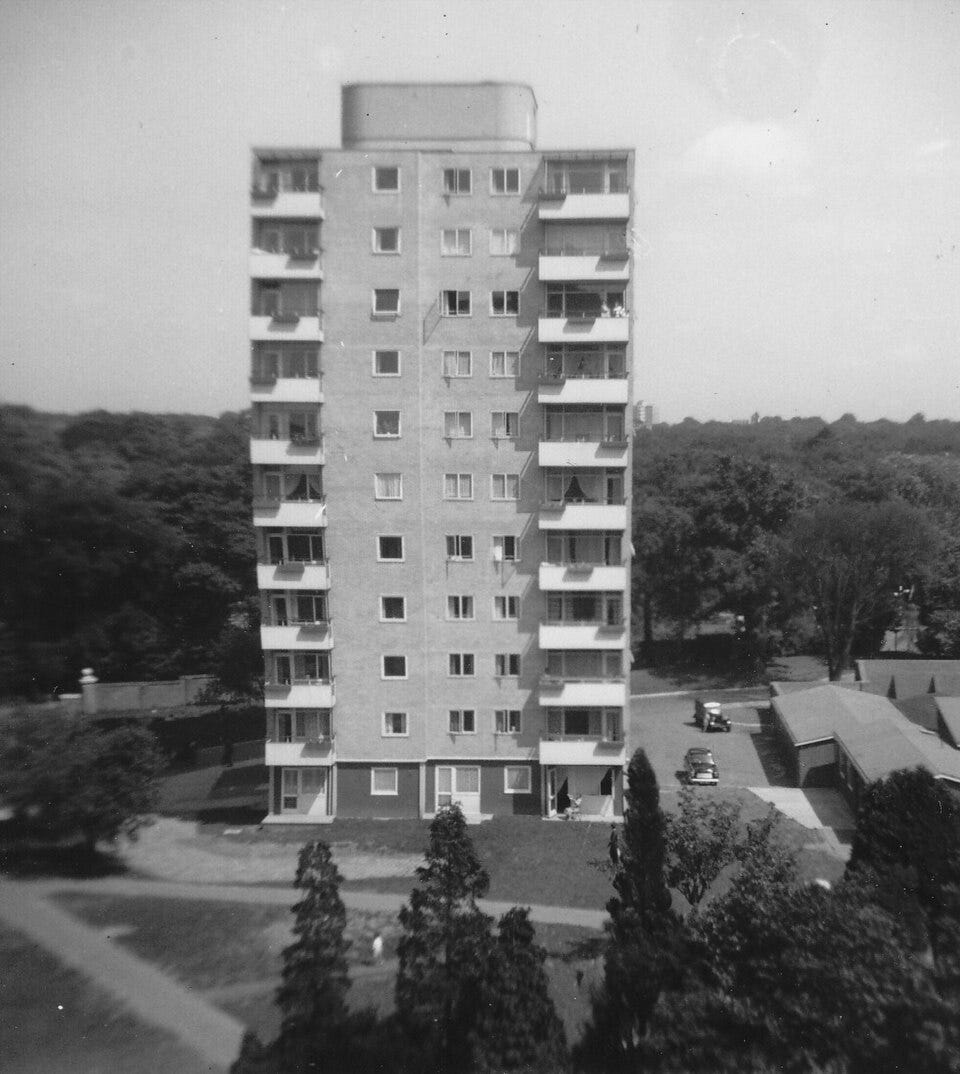
Gossip channels compounded the advantage of the closed insider network. Newcomers were described as dirty and heavy-drinking based on a few cases. Insiders did the reverse for themselves, circulating stories about their respectable members.
Another way the cohesive group exercises power is through agenda control. On a Community Board, committee chairs decide which issues get discussed and when. Chairs decide which resolutions get drafted, after which they are rarely modified.
Nobody needs to behave badly for these dynamics to exist. Some people have denser networks, better standing, and more ability to shape the choices everyone else faces. From inside the closed network, this power feels like grace, mercy, and support.
One person can dislike you without changing much. A tight-knit, organized group of neighbors can make that dislike travel through other relationships, opportunities, and decisions. Modern bureaucracy checks the informal power of neighborhood gossip.